
What is a Gentle Approach?
A guide to nourishing change through trust, patience, and self awareness.
There’s a certain kind of pressure that seems to follow us in the health and wellness space. It’s the pressure to fix. The pressure to optimize, and overhaul. For a long time I thought I had to push myself to feel better, to be better. But the more I tried to force change, the more disconnected I felt. Disconnected from my body, my energy, even the things I cared about.
Over time, I started wondering if healing could feel different. What if it could feel like exhaling? What if it didn’t have to feel like pushing through, but rather tuning in? Maybe I am not supposed to change. Maybe I am supposed to be here, listening.
That’s when I began to explore what I now refer to as a gentle approach. Rooted in trust, patience and body awareness. It’s not about doing nothing or ignoring what needs to be done. It’s about choosing to support yourself with the same respect and rhythm you might find in nature; slow, adaptive and quietly powerful. The winter is dark, the summer is bright…
This article isn’t a set of rules or the “right” way to go about your pathway for healing. It is simply an invitation. If you have ever felt overwhelmed by advice or exhausted by the pressure to keep up, I hope these words help you feel seen. And maybe find a new way forward. Or a new place to sit.

Gentle does not equal passive or weak
Some folks may assume that gentle means doing less, lowering the bar or avoiding change all together. But in my experience, choosing a gentle approach is anything but passive. It’s brave! This choice is a courageous shift to make. Gentleness asks us to slow down and listen. It invites us to meet ourselves where we are, instead of where we think we should be. It means turning toward discomfort with compassion and not control.
There is a special kind of strength in that. Like the way a willow bends in the wind instead of breaking. (Thank you Taylor)
Being gentle doesn’t mean giving up on your health goals or personal growth. It means pursuing them with self-respect. It’s an active, intentional choice to work with your body, not against it.
And for those of us who live with ADHD, anxiety, or burnout, a gentle approach can actually create the stability and trust we have been craving all along.
The Pillars of a Gentle Approach
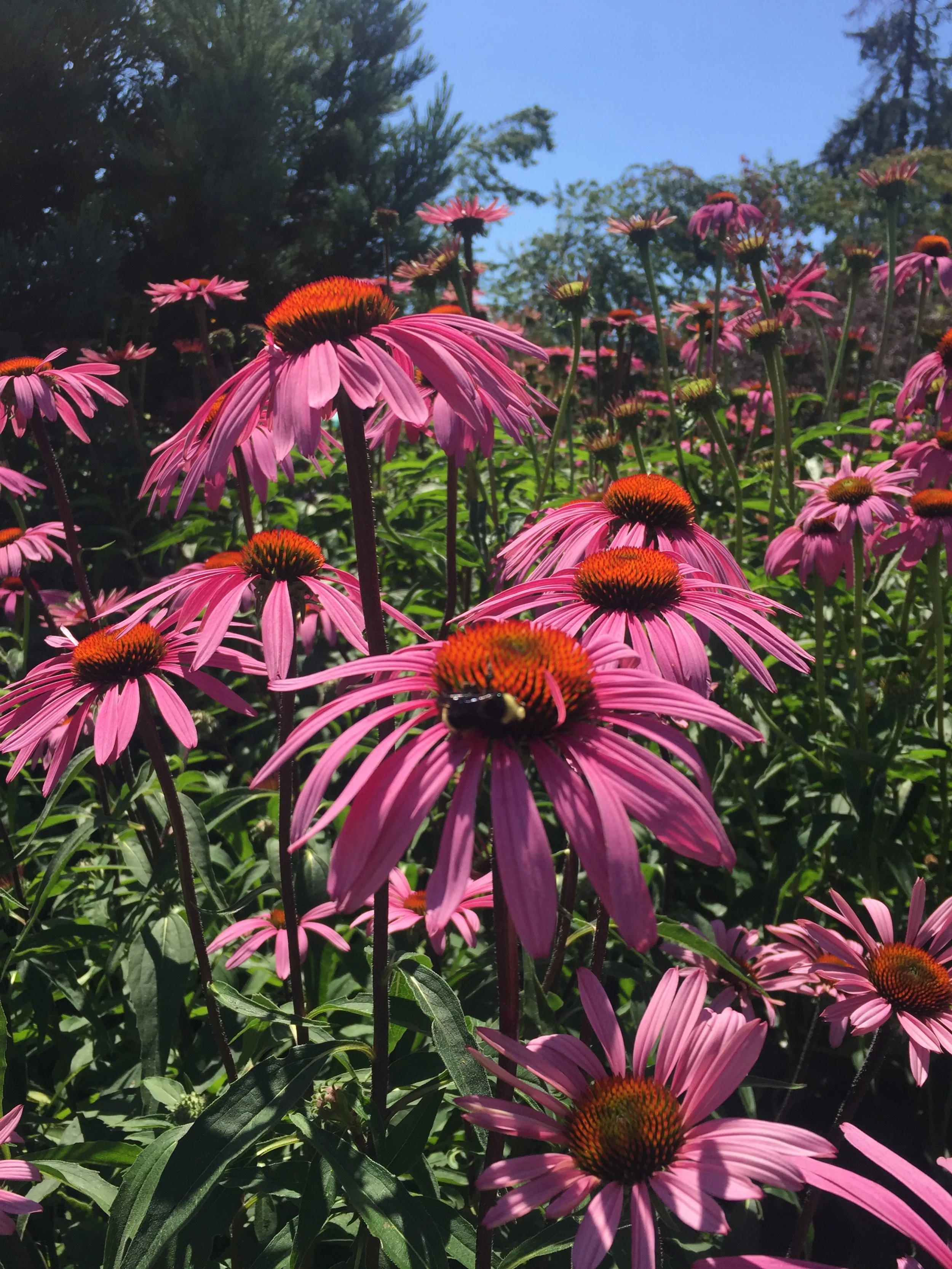
A gentle approach is different for every individual. We are all unique magnificent beings. It is not a one size fits all. Think of it more like your garden. What grows depends on your season, your soil, your energy. As I have have tended to my garden, over time I have come to find these few core principals help this kind of self care take root.
Trust
Trust begins with learning to believe and see you are not broken. That your signals (hunger, fatigue, emotion) are not problems to be solved but messages to be heard. When you listen instead of override, your body and mind begin to offer clearer guidance. Go slow and learn to trust yourself. You can come back to it, again and again, and still move forward.
Patience
In nature, not everything blooms all year. We need rest cycles, pauses, even moments of stillness that don’t look like progress from the outside. Patience allows space for the slow unfolding of change. It reminds us that some of the most meaningful shifts happen quietly, over time, beneath the surface.
Body Awareness
Gentle care starts with noticing. Noticing how you feel after a meal, how your energy shifts through out the day, or when your body says “not now.”
This isn’t about hyper vigilance, it is about curiosity and kindness. Learning to live with your body, instead of managing it like a project.
Safe Space
Growth doesn’t happen when we are bracing ourselves. Whether you’re navigating ADHD, fatigue, or emotional burnout, a sense of safety (both internally and externally) is essential. That might look like softer routines, judgement free support, or simply choosing to speak to yourself with the same kindess you’d offer your bestie. My bestie would never tell me that I am not good enough.
These aren’t meant to be steps that are followed with perfection. They are pillars, reminders to return to. There is no getting it “right” all the time. We just need to stay in relationship with ourselves. And look to nature and stay in relationship with her.